Loading…
Eastern States Conference for Pharmacy Residents and Preceptors
Friday May 15, 2026 9:50am - 10:10am EDT
Authors: Jaden Wills, PharmD; Kevin Pritt, PharmD, BCPS
Learning Objective: Determine if a pharmacist-led medication reconciliation and discharge counseling pilot program affects thirty-day all-cause readmission rates in specific patient subsets admitted to a general medicine unit.
Self-Assessment Question: Does pharmacist-led medication reconciliation during transitions of care, compared to standard nurse-led medication reconciliation, reduce 30-day hospital readmission rates?
Background: Hospital readmissions are a significant driver of healthcare utilization. This study assessed the impact of a novel, pharmacist-led medication reconciliation and discharge counseling during care transitions on thirty-day hospital readmission rates.
Methods: This pre-post retrospective study evaluated the impact of pharmacist-led medication reconciliation and discharge counseling on adult patients with a heart failure (HF) diagnosis (new onset or acute exacerbation) or those insured through Peak Medicare Advantage at an acute care hospital. The pre-intervention group included patients who received standard nurse-led medication reconciliation prior to November 1st, 2025. The post-intervention group included patients admitted after November 1st, 2025, and discharged prior to February 8th, 2026. The primary outcome was thirty-day readmission rates. Secondary outcomes included the number and class of medication interventions, provider acceptance rate, and proportion of patients receiving both medication reconciliation and discharge counseling. Data was collected using a secure Microsoft Excel spreadsheet and analyzed using descriptive statistics.
Results: Thirty patients were included in both the pre- and post-implementation groups. Thirty-day readmissions in the heart failure cohort decreased from 23.3% to 18.5% after implementation of pharmacist-led medication reconciliation and discharge counseling. PEAK readmission data is currently being collected and analyzed. Pharmacist involvement increased discrepancies discovered per patient (3.8 vs. 2.7) and achieved a 100% resolution rate compared to 70% in the pre-intervention group. The most common discrepancy in both groups was “patient not taking”. Notably, unintentional omission (n=13) and incorrect dose (n=6) were identified only in the pharmacist group. Discharge counseling rates increased by 10% post-implementation.
Conclusion: A structured, pharmacist-led care transition program is a vital component to reducing thirty-day readmission rates while also identifying and resolving clinically relevant medication discrepancies, particularly omissions and dose errors. The review’s findings emphasize both the clinical value and potential cost avoidance associated with integrating pharmacists into care transition programs. Future research should target larger populations, additional patient groups, and a prospective approach.
Moderators Presenters

avatar for Jaden Wills

Jaden Wills

PGY-1 Pharmacy Resident, United Hospital Center
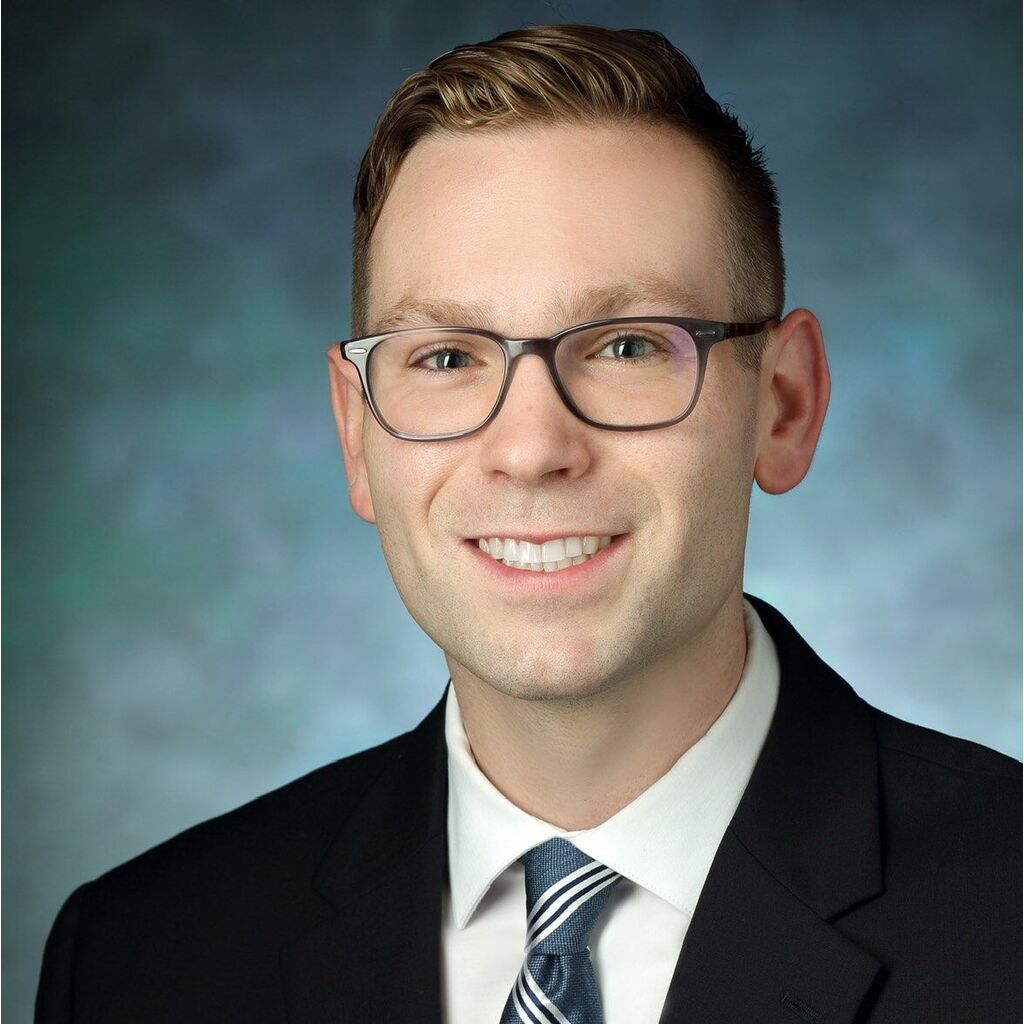
Evaluators
avatar for Christopher Hartley

Christopher Hartley

Pediatric surgery, gastroenterology, and liver transplant; assistant professor department of surgery Johns Hopkins University, The Johns Hopkins Hospital
Friday May 15, 2026 9:50am - 10:10am EDT
Room 7

Sign up or log in to save this to your schedule, view media, leave feedback and see who's attending!

Share Modal

Share this link via

Or copy link